
Safeguarding Training for Construction & Repairs Teams
Watch our case study for Ring Stones, a values-led construction company based in the North West that works for a variety of clients, providing a full range of construction services.
Construction and repairs teams are often the first to see safeguarding risks, inside people’s homes, on regeneration sites, and in public spaces.
This interactive, drama‑based safeguarding training is designed specifically for frontline construction, repairs and trades staff, helping them recognise concerns early and respond professionally and confidently.
The session can be tailored to suit your needs, from short, focused sessions to more in‑depth programmes, fitting around your teams without unnecessary time away from the job.
Why Safeguarding Training Matters for Construction and Repairs Teams
Frontline workers see what others don’t:
- Teams regularly enter private homes and vulnerable environments
- Staff may notice signs of abuse, neglect or exploitation others miss
- Many workers aren’t sure what counts as a concern or how to report it
- Fear of “getting it wrong” often leads to inaction
This training removes uncertainty by showing exactly what to look for, what to do, and how to act within professional boundaries.
Key Learning Outcomes
- Seeing safeguarding as part of everyday professional practice
- Recognising signs of:
- Abuse
- Neglect
- Exploitation
- Vulnerability
- Understanding your role as a safeguarding alerter
- Responding appropriately without overstepping boundaries
- Knowing how and when to escalate concerns
Course Overview
- Audience: Frontline construction, repairs and trades teams
- Duration: 3 hours
- Format: Interactive, drama‑based training
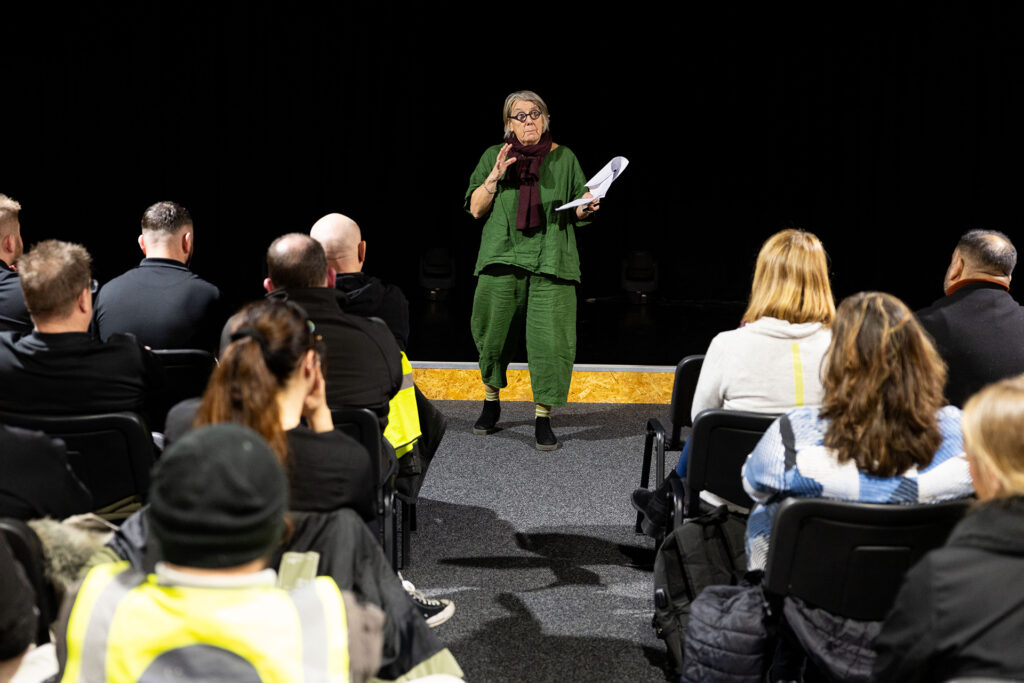
- Approach: Realistic, sector‑specific scenarios played by professional actors
- Focus: Safeguarding awareness, confidence and responsibility
Unlike generic safeguarding courses, every scenario reflects real situations faced by housing, construction and regeneration workers.
How the Drama‑Based Approach Works
Each scenario is:
- Paused at key moments
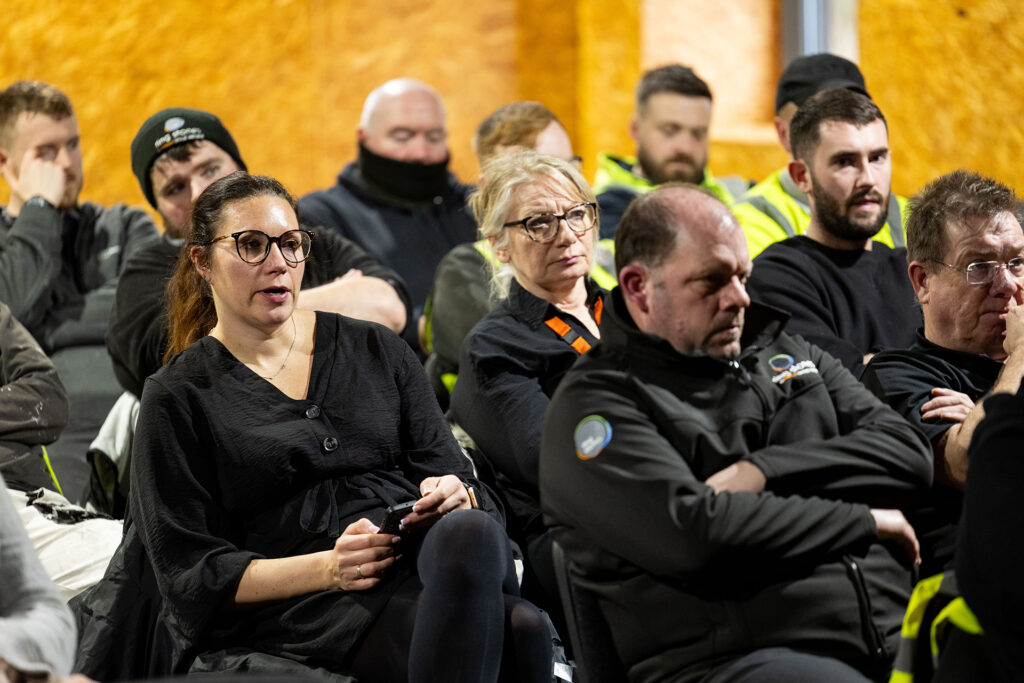
- Opened up for group discussion
- Explored to identify:
- Missed warning signs
- Appropriate responses
- Safe and professional next steps
This approach helps staff:
- Learn by seeing, not just listening
- Reflect without fear of being “tested”
- Retain knowledge far more effectively than slide‑based training
Case Study: Ring Stones
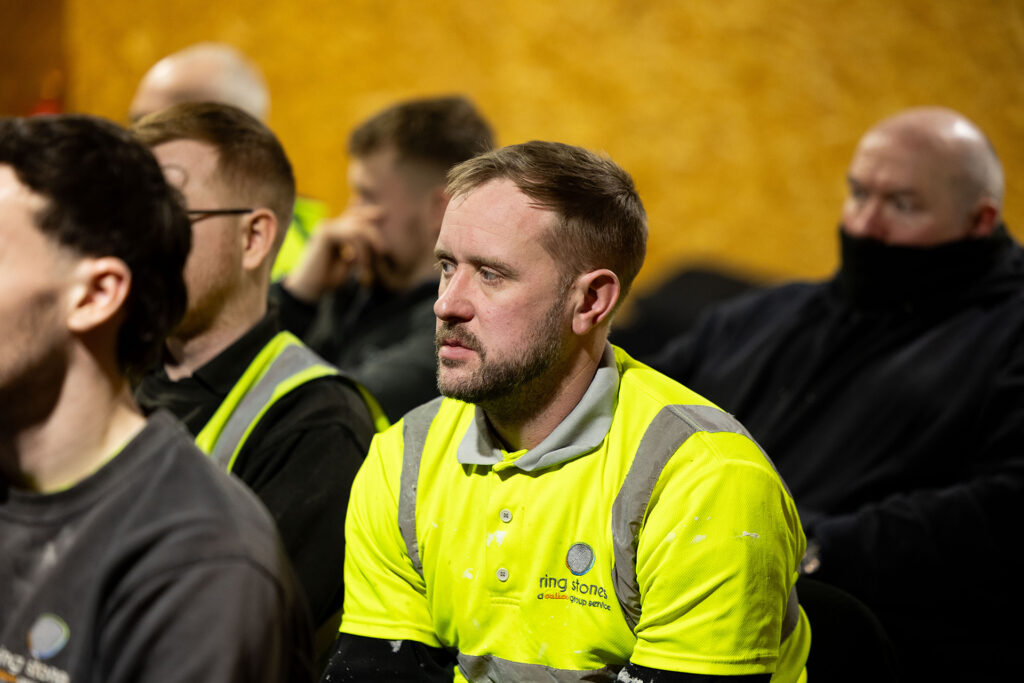
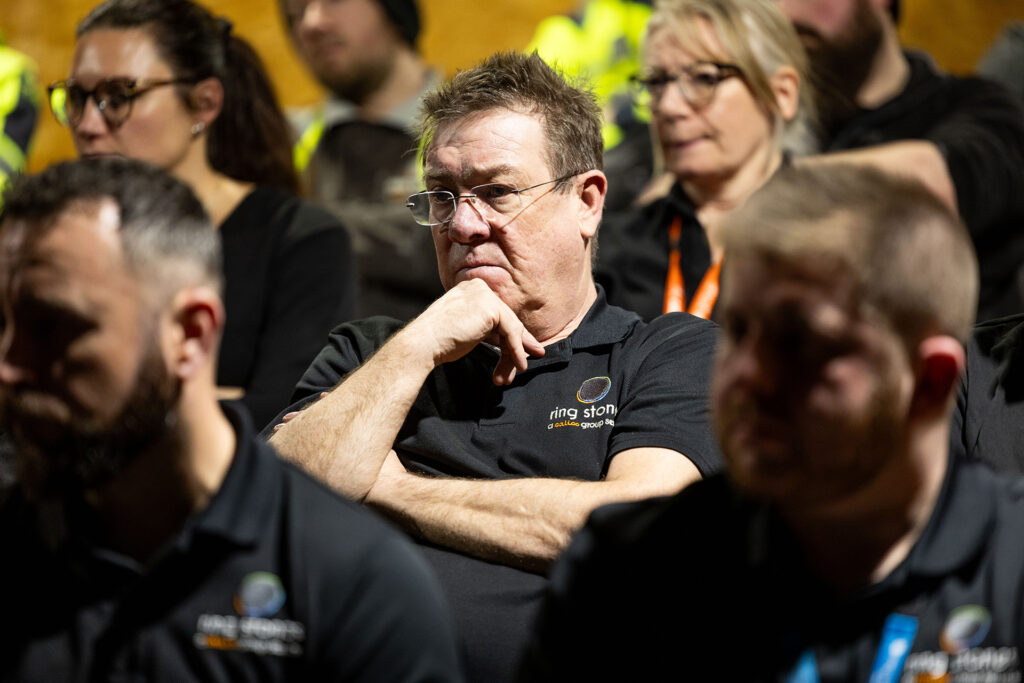
Employees from Ring Stones took part in a full safeguarding workshop delivered by Afta Thought, using real scenarios faced by staff across housing, construction and community settings.
Because Ring Stones’ teams regularly work in people’s homes and on regeneration projects, they often encounter situations others never see. The training was designed to help colleagues:
- Recognise when something isn’t right
- Feel confident raising concerns
- Act in the correct and professional way
What Made the Difference
- Scenarios based on genuine safeguarding incidents
- Open discussion about what should happen next
- Clear guidance on safe reporting pathways
Leadership Perspective
Executive Director James Macaree said:
“Safeguarding training for a company like Ring Stones is important to deliver to all employees to give them the skills and knowledge and empower them to be aware of any safeguarding concerns whilst they are at work.
I think the training provided today will empower all Ring Stones’ colleagues with the skills and experience they need to confidently report any safeguarding concerns and support the communities where we work.”
This course is ideal for:
- Construction operatives
- Repairs and maintenance teams
- Tradespeople
- Site supervisors and frontline managers
- Housing and regeneration contractors
Especially valuable for teams who:
- Work inside people’s homes
- Operate in regeneration or community settings
- Have limited prior safeguarding training
Frequently Asked Questions
Q: What is drama‑based safeguarding training?
A: Drama‑based safeguarding training uses professional actors to perform realistic scenarios, allowing participants to explore safeguarding issues through discussion and reflection rather than lectures.
Q: Is this training suitable for construction workers?
A: Yes. The training is specifically designed for construction, repairs and trades teams, using situations they may realistically encounter at work.
Q: How long is the safeguarding training?
A: The session lasts 3 hours, making it easy to schedule without major disruption to operations. The session can be tailored to suit your needs from short, focused sessions to more in‑depth programmes, fitting around your teams without unnecessary time away from the job.
Q: Do participants need prior safeguarding knowledge?
A: No. The course is suitable for those with little or no previous safeguarding training.
Q: What will staff gain from attending?
A: Participants gain awareness, confidence and clarity about their role in safeguarding and how to raise concerns correctly.